Top 5 Sustainable Wine Companies

Sustainability is the word of our age. No matter what kind of industry you’re in or what type of business you do, this is something you need to strive towards to – either you’re going green or you’re going extinct. Economic, social and environmental elements put heavy pressure on companies to go through this transition and develop healthy standards that will be enforced from now on.

Being that wine is a luxury product, the wine industry counts on marketing to provide enough resources for maintaining successful companies that are also sustainable. On the other hand, wine comes from agriculture and it’s only natural for its production to be – well – natural. Sustainable leaders in the industry are constantly finding new ways to further develop organic production, and work on innovations when it comes to packaging, biodynamics and all other aspects of wine production.

Otherwise, wine dependent regions will suffer the consequences; if production is stagnating or contributing to the decrease in the overall quality of life on the planet, the profits will plummet. Some companies are more successful than others with this matter, and they set an example that should be followed and admired.

Ampelos Cellars

There are three different certifications that wine companies work really hard to get. The first one marks sustainability in practice, the second one is about being organic all the way, and the third one symbolizes achievements in the field of bio-dynamics. Guess who got all three of them? Ampelos Cellars are a highly socially responsible company – if you have a winery and you want to go green, they are the role model you should look up to. They completely gave up on using bottled water, and their cover crop are fava beans, sweet peas and homes for friendly insects, so they don’t disturb the ecosystem. There’s one more fact that will explain why they are the leading eco winery – they utilize solar power.

spring_vineyard

Silvertap 

Here’s an interesting idea – why serve wine from bottles when you can cut down glass expenses and serve it directly from a keg? Besides, we all know that just one bottle is rarely enough, which is why getting a keg is a much better idea. Sure, this idea is quite practical, but actually applying it within the wine industry may not be the greatest move – the industry is all about sophistication, and kegs don’t really give that impression, do they? No matter the case, Silvertap still decided to go through with this project and their daring move was widely accepted and appreciated by the green community.

//Silvertap-Kegs-Closeup-2

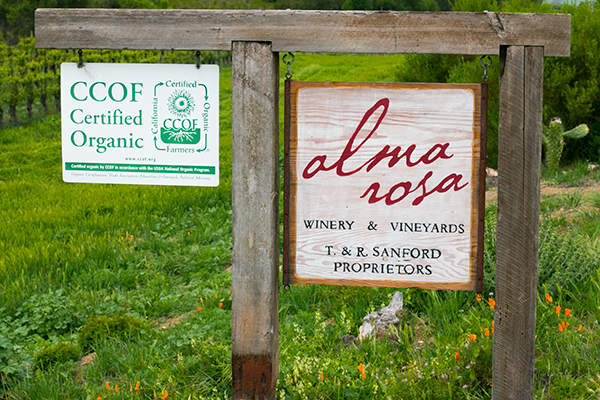
Alma Rosa

In order to reduce glass production, the Alma Rosa team decided to employ a standard bottle mold for all wines they make, which directly decreases the waste. Maintaining high standards when it comes to quality, but still deciding to give up a significant factor in this industry, namely aesthetics, seems like a winning combo when a wine company wants to go green. However, this is not all they did – their wineries use only green farming techniques. There’s no such thing as doing enough when it comes to environmental issues.
 alma-rosa-sign

Frei Brothers

Their continual efforts to cut down on glass usage as much as possible really make them stand out in a sea of similar companies, but the fact their corks are made only out of tree bark is another big plus. Frei Brothers admirers might be the luckiest among all – fans who show support for their efforts to save the environment receive various gifts.

freibrothers-F

One Hope Wine

This traditional Napa Valley vineyard really cares about their home. One Hope winery has a beautiful vision to co-exist with nature around it, and save it from all possible factors that might cause damage. After all, nature is the one responsible for this delicious beverage, and this kind of gift needs to be appreciated. Their efforts to cut back on glass production and lower overall water and energy consumption are at an enviable level. Maintaining the product quality their fans are used to and still constantly introducing new eco-friendly innovations to their winery really is an example for everyone to follow. Also check out their foundation for details on how each wine you purchase gives back. One Hope Foundation at http://www.onehopefoundation.org.

There’s so much more to wine than a simple glass that embellishes your meal. Behind each bottle, there’s a journey – each wine house nurtures their well–hidden recipes, they love and nurture each grape, they make sure you’re provided with a top quality product, and they do their best to protect our planet. So, the next time you’re trying to decide between two brands, maybe you should do some research and allow the deciding factor to be whether they are eco-friendly or not. It will taste better when you know that someone devoted and caring made it.


10 Eco-Friendly, Luxury Hotels

Looking for a place to stay that offers luxury and comfort without compromising the environment? Look no further! Here are 10 eco-friendly, luxury hotels that are working to better the environment one solar-powered heating and cooling system at a time. Check them out!

  1. Belle Mont Farm

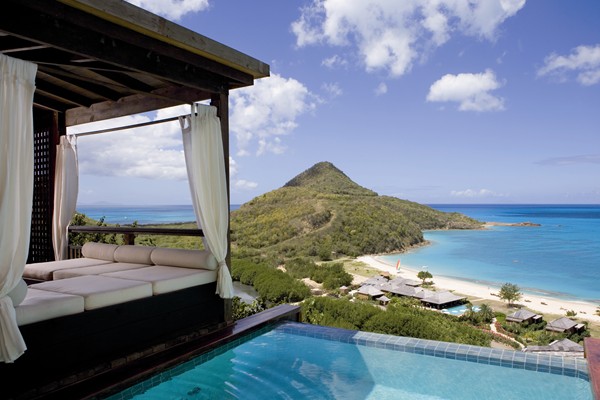
Belle-Mont-Farm

St. Kitts, West Indies: This boutique hotel is home to a variety of Guesthouses and Farmhouses that sleep up to eight people. Eco-friendly perks begin with fresh fruits being delivered to guests each morning, but don’t end there. They also feature:

  • Rainwater showers
  • Organic farmland
  • Edible landscape
  • Foraging or fishing? The chef will happily incorporate your results into the nightly meal
  1. Rafayel on the Left Bank

rafayel1

Battersea, London: Rafayel on the Left Bank is a luxury eco hotel whose mission is to provide green quality and comfort. Some of their environmentally-friendly features include:

  • A bamboo grove that has been planted to release 35% more oxygen than any other plant
  • Organic spa treatments
  • Fair-trade mini-bar goodies
  • Wines and cocktails produced using farm-to-bar methods
  • Activities that won’t leave a carbon footprint
  1. Ritz-Carlton Charlotte

The-Ritz-Carlton-Charlotte

Charlotte, North Carolina: The Ritz-Carlton is a staple of luxury hotels and now, thanks to their Charlotte location, they’re also a staple of eco-friendly luxury. Some of their commitment to luxury and ecology include:

  • A rooftop garden featuring two honey-producing beehives and herbs and greens
  • Organic spa treatments
  • Organic meal options
  • Free parking for anyone driving a hybrid or electric car
  • Trek Bike rentals
  1. Paradise Bay Island Eco-Escape

Paradise-Bay-Island-Eco-Escape

Whitsunday Islands, Australia: As the name suggests, Paradise Bay Island Eco-Escape is an eco-friendly escape from everyday life. Located near the Great Barrier Reef and Conway National Park, this luxury escape features a variety of eco-friendly offerings, including:

  • An eco-tour adventure where guests can see the Solar Field, Solar Water Heaters, and Bio-Cycle System
  • NaturaEco ingeno-quilts made from corn for when it’s warm
  • Opportunities to view and appreciate nature through wildlife watching
  1. Urnatur

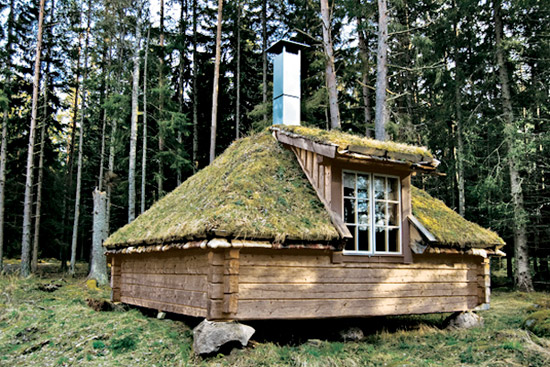
Urnatur

Sjogetorp, Sweden: Urnatur thrives on sustainability, possibly more so than any other eco-friendly hotel. A self-sustainable hotel, Urnatur is a three-hour drive from Stockholm and offers accommodation in tree houses and hand-hewn huts. Some other features include:

  • Light from kerosene lamps
  • Heat from solar or wood power
  • Locally procured menu items
  • Activities including building nesting boxes for owls
  1. Gaia Hotel and Reserve

gaia hotel and reserve

Manuel Antonio, Costa Rica: Dubbed as one of the most ‘green-enthusiastic hotels in existence,’ this 5-star, adult-only, beachfront resort dedicates three-fourths of its land to create a private nature reserves that guests can enjoy. Additional ecological features include:

  • Raw, organic spa treatments
  • Farmer’s Market Tour
  • Ecotours
  1. URBN Hotel

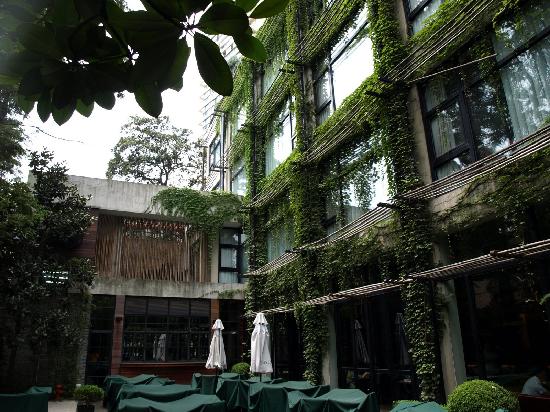
URBN

Shanghai, China: Developed from a renovated factory warehouse, URBN Hotel Shanghai is the country’s first carbon-neutral hotel. Some of its eco-friendly features include:

  • Air purification systems in every guest room
  • Beds made from cactus fiber and seaweed
  • Organic cleaning products
  • Energy-efficient cooling and heating systems
  • Participation in the Million Tree Project which plants trees in Mongolia to help offset carbon emissions
  1. Waipiata Boutique Lodge

thumb.php

Warkworth, New Zealand: This 5-star luxury accommodation sits on 5 acres of manicured

lawns and gardens. Some of its eco-friendly features include:

  • Large orchards, vegetable and herb gardens
  • Vegetarian, organic meals for guests
  • A solar heating system
  • A recycling program
  • Wastewater recycling
  • Educational experiences at nearby marine reserves and bird sanctuaries
  1. The Green House

The Green House

Bournemouth, UK: The Green House claims to be the ‘greenest hotel in the UK,’ but is it really? If you look at all of the eco-friendly offerings, it seems they might be right. Some of their regular commitments to ecology include:

  • LED lighting
  • Solar powered heating
  • Organic and local cuisine
  • Furniture crafted from storm-felled trees
  • Suppliers assessed using environmental standards
  • Staff possess GOLD level status from the UK’s Green Tourism board
  1. Six Senses Samui

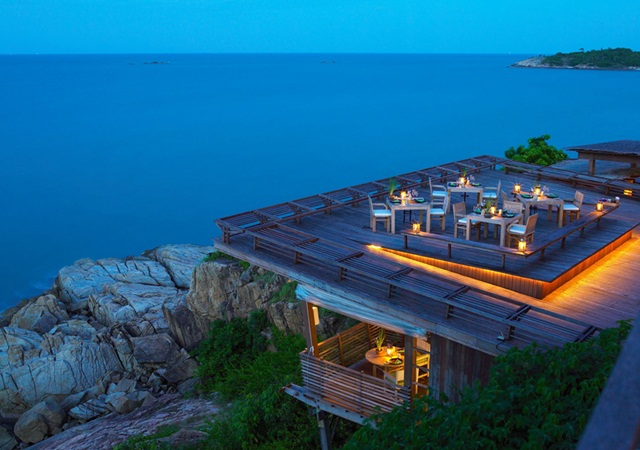
Six Senses Samui

Koh Samui, Thailand: Greeted by your very own private butler, Six Senses Hideaway Samui is surrounded by nature, the calming sea, and far off islands. Six Senses Hideaway Samui is committed to ecology through a variety of unique initiatives, including:

  • Creating their own bio-diesel to reduce CO2
  • Filtering and recycling their waste water
  • Educating guests on how to help the local environment and culture through a free Thai Culture Class
  • Growing their own organic food for guest meals
  • Utilizing pesticide-free gardens to grow herbs for spa treatments

Post written by Aly Wolfe. She is the founder of style and beauty blog, The Wolf + The Wardrobe. Follow her on Instagram and Twitter @TheAlyWolfe.